
DESA BERDAYA GENERASI MAJU Program - Empower
Information about DESA BERDAYA GENERASI MAJU Program in collaboration with Empower
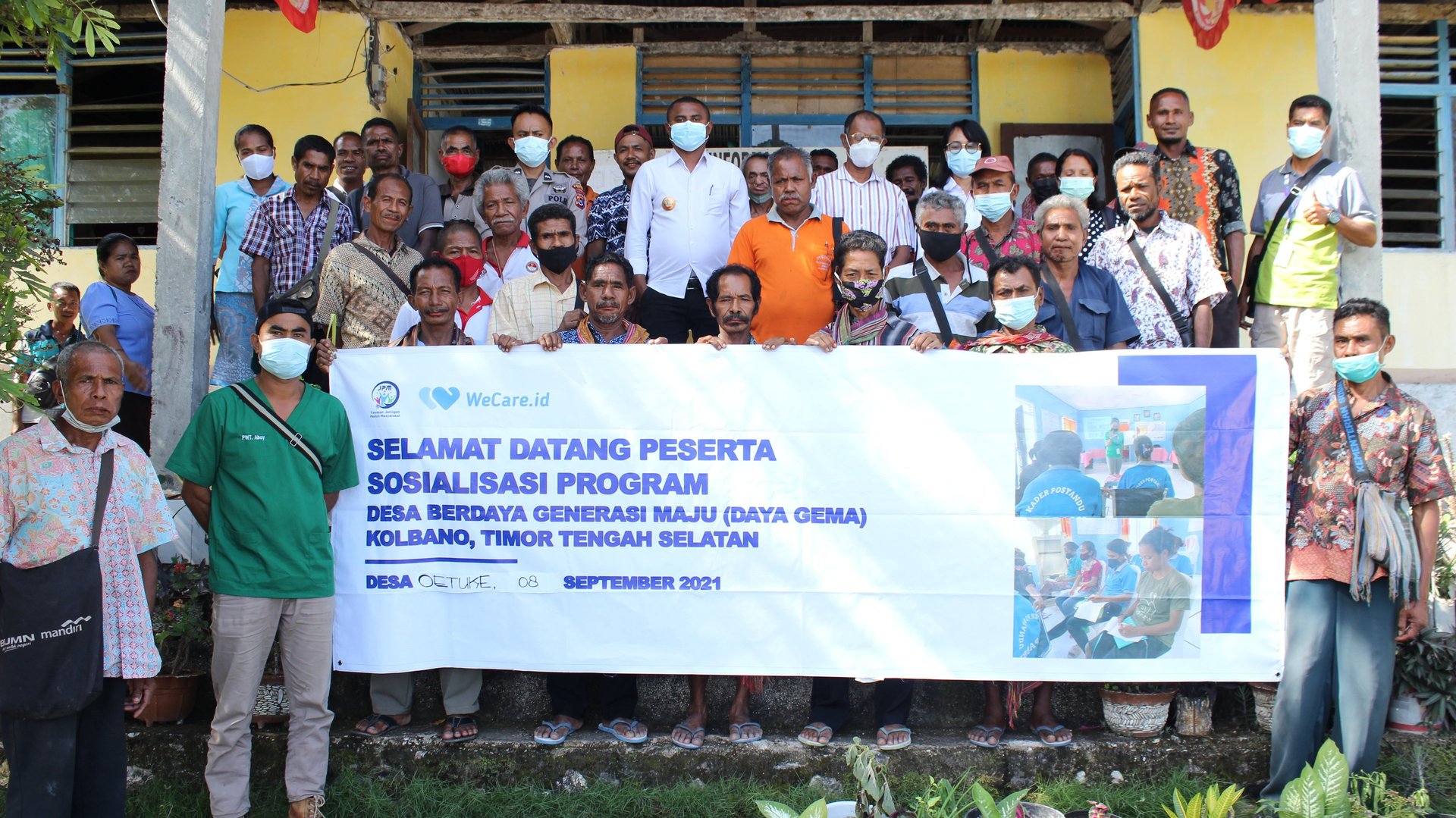
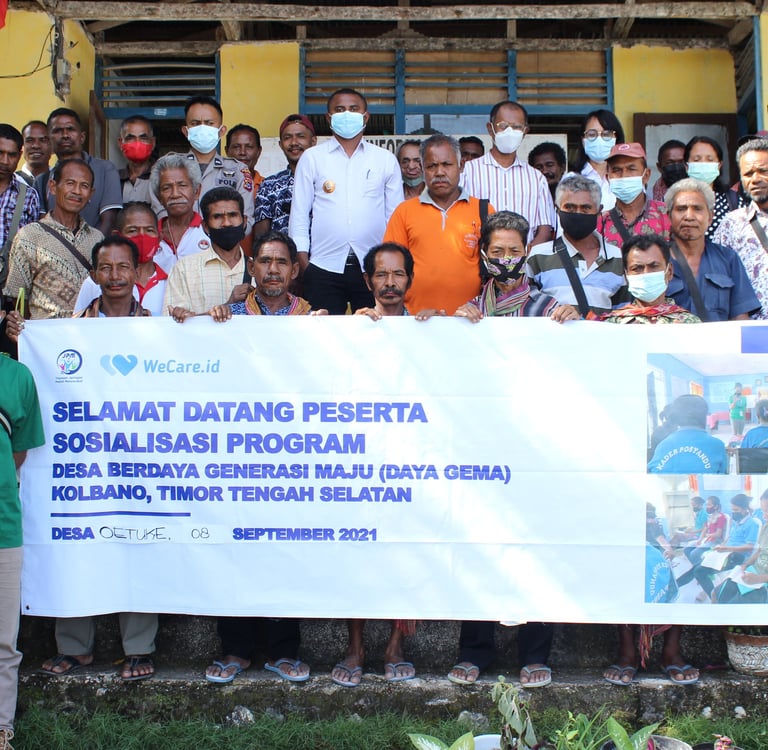
Recent data on stunting show that East Nusa Tenggara (NTT) Province has a stunting prevalence among children under five of 47.2%, which is significantly higher than the national average of 29.6%. In addition, the prevalence of undernutrition among children under five in NTT stands at 14.4%. In South Central Timor (TTS) Regency, the stunting prevalence among children under five reached 52.76% in 2018, making it the highest stunting rate in NTT Province at that time. The TTS Regency Government has demonstrated strong commitment to preventing and addressing stunting in order to reduce its prevalence. The local government has set a target to reduce stunting by 5% annually. The Regent of TTS, Egusem Piether Tahun, acknowledged the high stunting rate during an interview with Pos Kupang on Wednesday, July 24, 2019, at the Regent’s Office. He emphasized that the government would address this issue through cross-sector collaboration involving all relevant Regional Government Organizations (OPD), sub-district and village governments. In addition, village funds would be utilized to support stunting reduction efforts. The TTS Regency Government also committed to reviewing village budgets (APBDes) to ensure that village funds are allocated for stunting interventions.
Meanwhile, a stunting survey conducted by the Ministry of Health in TTS Regency in 2017, covering 30 villages across 5 sub-districts with a total sample of 6,899 children under five, found a stunting prevalence of 53.4%, a decrease compared to 57.3% in 2016. During the Stunting Acceleration Action Forum (Rembuk Aksi Percepatan Stunting) held in TTS Regency on July 24, 2019, it was agreed that 20% of the Village Fund Allocation (ADD) would be allocated for stunting prevention and response. In addition, a review of the Village Medium-Term Development Plans (RPJMDes) was deemed necessary to ensure alignment with regency, provincial, and national development plans related to stunting reduction. Various factors contribute to the high prevalence of stunting, including limited understanding among parents and families regarding the importance of the First 1,000 Days of Life, inadequate routine health check-ups from pregnancy through childbirth, insufficient nutritional intake during pregnancy and breastfeeding, limited knowledge on appropriate complementary feeding practices, and inadequate access to affordable and nutritious food at the village level.
On the other hand, villages face significant challenges due to the lack of experienced personnel with the capacity to design and facilitate comprehensive stunting prevention and response activities. To date, the understanding of stunting interventions at the village level has largely been limited to Supplementary Feeding Programs (PMT). However, according to the Ministry of Health’s guidelines, stunting prevention and management are far more complex and require a combination of nutrition-specific and nutrition-sensitive interventions, implemented in a comprehensive and integrated manner. There are five villages in Kolbano Sub-district under the service area of Kolbano Community Health Center (Puskesmas Kolbano) Noesiu, Kolbano, Spaha, Oetuke, and South Pene that have stunting rates requiring serious attention. Based on data from Puskesmas Kolbano as of February 2021, there were 174 stunted children across these five villages. To date, no integrated stunting interventions have been implemented by village governments in this area. Recognizing this situation, Empower (previously called Wecare.id ) has expressed its commitment to supporting communities in Kolbano Sub-district to prevent and address stunting. Through the Desa Berdaya Generasi Maju Program, Empower collaborates with the Community Care Network (JPM) Foundation as the implementing partner in five villages in Kolbano Sub-district.
Office Address
Jalan TDM V RT 004/RW 001, Kelurahan Oebufu, Kecamatan Oebobo, Kota Kupang, Nusa Tenggara Timur, Indonesia
Contact
+6282235371803
yayasanjpmid@gmail.com
© 2024 Community Care Network. All rights reserved. Made with ❤️ in Indonesia.