
DESA SANITASI SEHAT NUNSAEN Program - PLN UIW NTT
Information about DESA SANITASI SEHAT NUNSAEN Program in collaboration with PLN UIW NTT
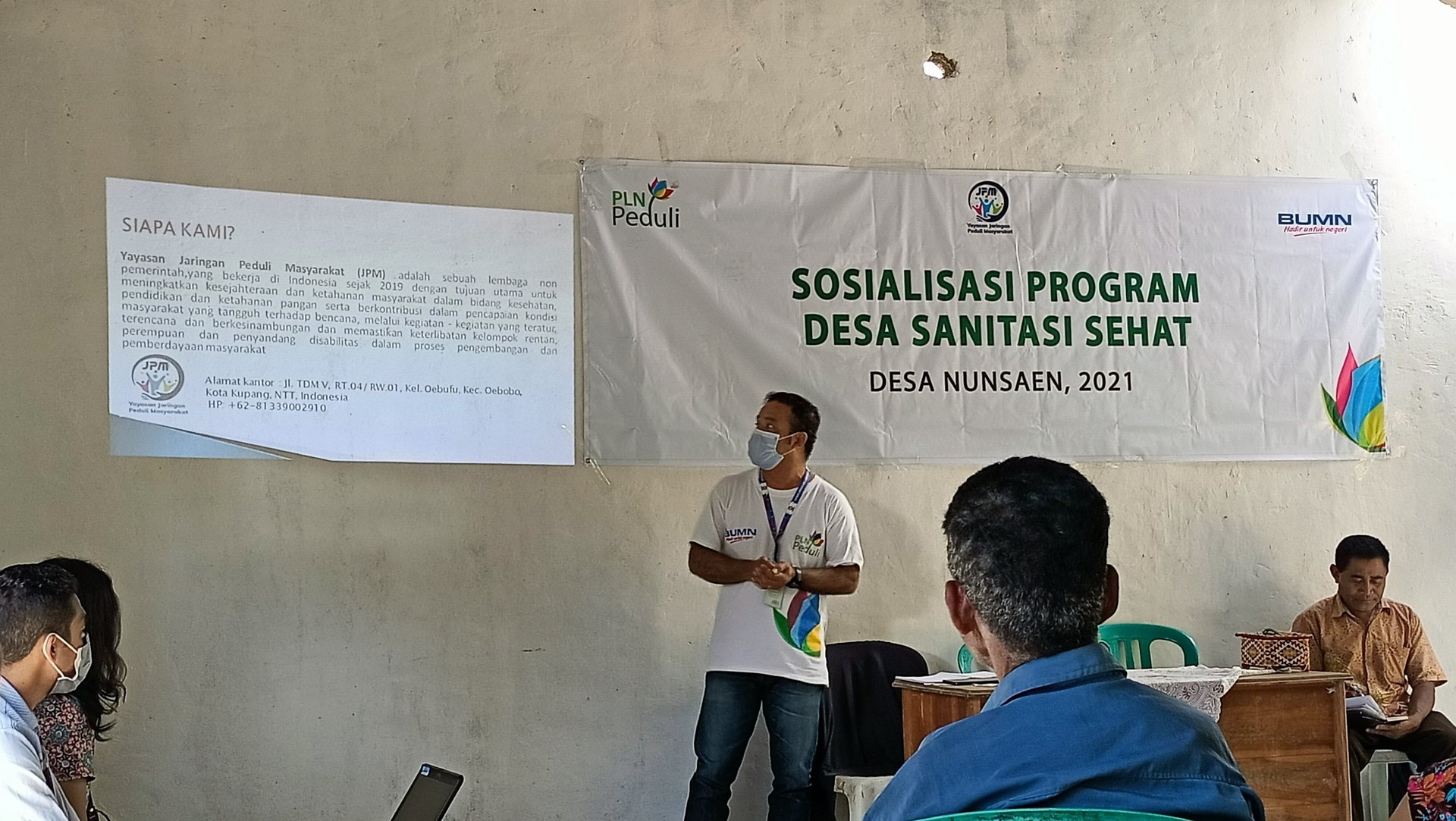
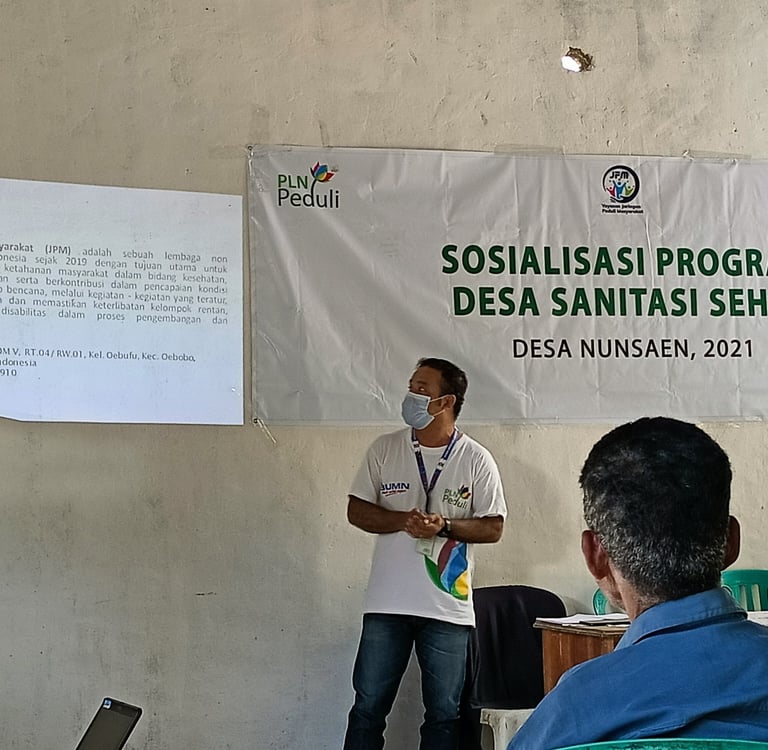
Nunsaen Village is one of the villages in Central Fatuleu Sub-district, Kupang Regency. The village is located at the foothills of Mount Fatuleu, a well-known tourist destination in Kupang Regency, and is home to 628 households. According to stunting data from February 2021, there were 105 stunted children in Nunsaen Village, making it the second-highest number of stunting cases in Kupang Regency. The high prevalence of stunting in Nunsaen Village is mainly caused by inadequate intake of balanced and nutritious food, suboptimal parenting practices, limited access to clean water, and poor sanitation conditions. These findings are supported by the results of a SMART Survey conducted in February 2016 by ACF in collaboration with UNICEF in Kupang Regency. The survey identified several key factors contributing to undernutrition, including:
Dietary diversity – Low food diversity in Kupang Regency, with only 18.5% of children aged 6–23 months consuming an adequate variety of foods (at least four food groups).
Exclusive breastfeeding – While 65% of infants aged 0–5 months were breastfed, only 33% of five-month-old infants received exclusive breastfeeding.
Water sources – Approximately 28.9% of households in Kupang Regency still rely on unsafe water sources, such as rivers, lakes, or unprotected wells.
Water and sanitation access – Access to clean water is often located far from households and is generally the responsibility of women, reducing the time available for childcare. In addition, only 40.7% of households have access to hygienic and improved sanitation facilities, either privately owned or shared.
Various factors contribute to the high prevalence of stunting, including limited parental and family understanding of the importance of the First 1,000 Days of Life, inadequate routine health check-ups from pregnancy through childbirth, insufficient nutritional intake during pregnancy and breastfeeding, limited knowledge regarding appropriate complementary feeding practices, poor access to nutritious and affordable food at the village level, and limited access to clean water and adequate sanitation facilities. At the same time, villages face significant challenges due to the lack of experienced and skilled personnel capable of facilitating the design and implementation of comprehensive stunting prevention and response activities. To date, village-level efforts to address stunting have largely focused on Supplementary Feeding Programs (PMT) alone. However, according to guidelines from the Ministry of Health, stunting prevention and management require a much broader and more complex approach, categorized into nutrition-specific and nutrition-sensitive interventions, which must be implemented in a comprehensive and integrated manner.
Recognizing these conditions, Perusahaan Listrik Negara (PLN) – NTT Regional Main Unit, as a state-owned enterprise, has demonstrated its commitment to supporting the people of Nunsaen Village in preventing and addressing stunting, while also contributing to the improvement of access to adequate sanitation. Through this program, PLN NTT Regional Main Unit collaborates with the Community Care Network (JPM) Foundation as the implementing partner for program activities in Nunsaen Village.
Office Address
Jalan TDM V RT 004/RW 001, Kelurahan Oebufu, Kecamatan Oebobo, Kota Kupang, Nusa Tenggara Timur, Indonesia
Contact
+6282235371803
yayasanjpmid@gmail.com
© 2024 Community Care Network. All rights reserved. Made with ❤️ in Indonesia.